
*By the AC Specialists at R & Y A/C Compressors | Family-owned and operated in Miami, FL since 1989 | Last updated: July 2026*
If your Toyota Tacoma AC compressor is making noise, failing to engage, or producing warm air, the compressor may not be the only cause. Refrigerant leaks, clutch wear, condenser damage, electrical faults, and heavy off-road use can all affect AC performance. Older Tacomas are more likely to experience age-related compressor wear, while newer trucks have different refrigerant and hybrid system requirements.
Toyota Tacoma AC Compressor Problems by Generation
2nd Generation: 2005 to 2015
Second-generation Tacomas use R-134a and are now old enough for normal AC component wear.
A worn clutch can develop an excessive air gap, causing the compressor to stop engaging when the engine gets hot. A failing clutch coil can also prevent engagement. Learn more about AC compressor clutch problems.
Clutch bearing wear may produce chirping or grinding near the front of the engine. Internal compressor wear can also reduce cooling performance, particularly at idle.
Slow leaks from shaft seals and O-rings are another common concern. Condensers can also suffer damage from rocks and other debris, especially on trucks that regularly travel dirt roads or trails.
3rd Generation: 2016 to 2023
Third-generation Tacomas generally have reliable AC systems, but age and usage can still cause problems.
Condenser damage is a concern for trucks that see off-road conditions. Normal compressor wear can also appear as mileage increases. If the AC works well at highway speeds but becomes warm at idle, check the refrigerant charge and condenser airflow before replacing the compressor.
Refrigerant lines should also be inspected for damage or chafing, particularly on trucks that regularly travel through brush or rough terrain.
4th Generation: 2024 and Newer
The latest Tacoma uses R-1234yf refrigerant, which requires different fittings and dedicated service equipment.
The i-FORCE MAX hybrid powertrain uses a high-voltage electric AC compressor instead of a traditional belt-driven unit. This system requires the specified POE oil and appropriate high-voltage service procedures. PAG oil should not be used in a system designed for POE oil.
How Off-Road Use Affects Your Tacoma AC
A Tacoma that spends time on trails faces more AC system hazards than a typical commuter vehicle.
The condenser sits toward the front of the vehicle, making it vulnerable to rocks and other debris. A direct impact can puncture a condenser tube and release refrigerant.
Dust, mud, and other debris can also collect between the condenser and radiator. Restricted airflow can raise system pressure and reduce cooling, particularly when the truck is sitting in traffic.
Water crossings and mud can affect exposed clutch components on belt-driven compressors. Washboard roads and constant vibration can also put additional stress on fittings and refrigerant lines.
If your off-road Tacoma suddenly starts blowing warm air, inspect the condenser before assuming the compressor has failed. Cleaning accumulated debris may restore airflow and prevent unnecessary repairs.
Symptoms of a Failing Tacoma AC Compressor
Common warning signs include:
Warm or mildly cool air from the vents
AC that works when cold but stops in hot weather
Chirping, grinding, or growling near the belt area
No compressor clutch engagement
AC that is colder on the highway than at idle
Compressor short cycling
Oily dirt around the compressor, condenser, or line fittings
Repeated clutch engagement and disengagement can indicate AC compressor short cycling. A low refrigerant charge is one possible cause.
How to Diagnose Your Tacoma AC Problem
Start with the condenser. Check for bent fins, impact damage, oily areas, and debris buildup between the condenser and radiator.
Next, inspect the AC fuse and relay. On belt-driven systems, confirm that the compressor clutch engages when the AC is switched on.
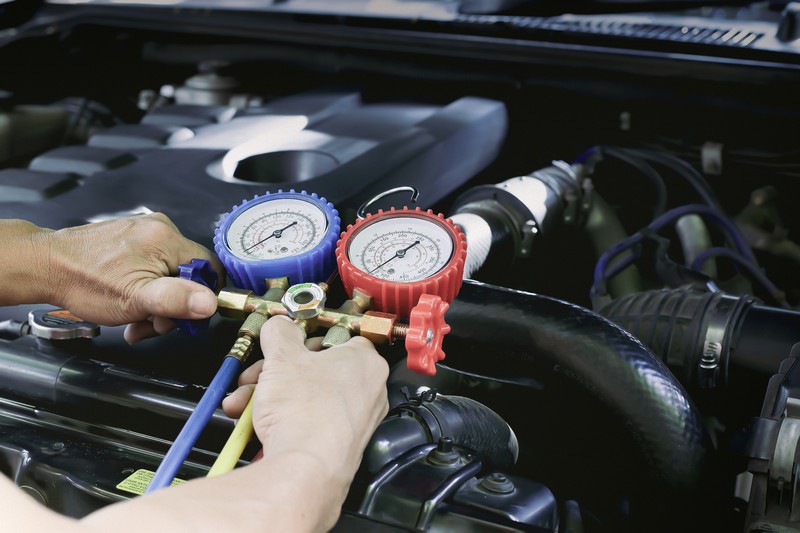
Pressure testing can help determine whether the system has enough refrigerant. At approximately 80°F with the engine off, static pressure may be around 70 to 90 psi. On a 90°F day, a healthy R-134a system may show roughly 28 to 40 psi on the low side and 200 to 275 psi on the high side.
These numbers vary with ambient temperature and vehicle specifications, so use Toyota’s service specifications when available.
If the high side pressure becomes excessive, check condenser airflow, the cooling fan, and the refrigerant charge before blaming the compressor.
A leak test should also be performed before adding refrigerant. Check the condenser, compressor shaft seal, fittings, and refrigerant lines. Our AC refrigerant leak detection guide covers common leak locations and testing methods.
Toyota Tacoma AC Compressor Replacement
A compressor replacement may require several additional components. Common parts include:
Compressor matched to the Tacoma year and engine
Receiver/drier
Expansion valve
Condenser when damaged or contaminated
Correct AC oil
New O-rings
Refrigerant
A complete AC compressor kit can make it easier to match the necessary replacement components.
After refrigerant recovery, the technician removes the old compressor and installs the replacement with new O-rings. The drier and expansion valve should be replaced when appropriate.
The system is then evacuated and charged according to the manufacturer’s specified refrigerant weight. Operating pressures and vent temperatures should be checked after the repair.
A typical Tacoma compressor replacement takes about 2.5 to 4 hours, depending on the model and whether other components require replacement.
Toyota Tacoma AC Compressor Replacement Cost
Typical costs can include:
Remanufactured compressor: $250 to $450
New compressor: $400 to $750
Receiver/drier: $25 to $75
Expansion valve: $25 to $65
Condenser: $120 to $300
R-134a refrigerant and oil: $50 to $90
R-1234yf refrigerant: $120 to $220
Labor: $300 to $600
A complete repair can range from about $650 to $1,780, depending on the parts and extent of the damage. Most Tacoma owners can expect to pay approximately $750 to $1,300 for a compressor replacement at an independent shop.
A condenser-only repair caused by road debris may cost less than a complete compressor replacement. Hybrid electric compressor repairs can cost more because of the specialized compressor and service requirements.
Protecting Your Tacoma AC on the Trail
A few simple maintenance steps can reduce AC problems:
Clean the condenser regularly: Use low-pressure water to remove dust and debris after particularly dirty trips.
Inspect for impact damage: Look for bent fins, punctures, and oily areas after rocky trails.
Consider appropriate grille protection: A properly fitted screen can reduce larger debris impacts without restricting airflow.
Run the AC throughout the year: Periodic operation helps keep seals lubricated.
Address weak cooling early: A small refrigerant leak can become a much larger repair if ignored.
Get Your Toyota Tacoma AC Compressor from R & Y A/C Compressors
At R & Y A/C Compressors, we stock new and remanufactured AC compressors for Toyota Tacoma generations, along with condensers, driers, expansion valves, and complete AC kits. We are family-owned and operated in Miami, FL, and we have served customers since 1989.
We test our remanufactured compressors before they ship and back them with a warranty. We can also help you identify the correct compressor and related components for your specific Tacoma.
Enter your Tacoma’s year, make, and model at rycompressors.com to find the right parts for your truck. You can also contact us directly, and we can help you put together the right repair.
Frequently Asked Questions
A complete repair with a remanufactured compressor, drier, expansion valve, refrigerant, and labor typically costs about $750 to $1,300 at an independent shop. New compressors and newer R-1234yf models can cost more.
This can indicate restricted condenser airflow, a low refrigerant charge, or a worn compressor. On off-road trucks, inspect the condenser for dust, mud, and debris before replacing the compressor.
Yes. Rocks can damage the condenser, while dust and mud can restrict airflow. Rough terrain can also put stress on refrigerant lines, fittings, and compressor components.
There is no single Tacoma model year known for widespread compressor failure. Second-generation Tacomas have more complaints because they are older and often have higher mileage.
Tacomas from 2023 and earlier generally use R-134a. The 2024 and newer Tacoma uses R-1234yf. Check the AC label under the hood for your truck’s exact refrigerant and charge specification.
Yes. The hybrid Tacoma uses a high-voltage electric compressor instead of a traditional belt-driven compressor. It requires the specified POE oil and appropriate hybrid AC service equipment.
If the compressor has suffered an internal failure and released debris into the system, replacing the condenser may be necessary. A damaged condenser should also be replaced rather than reused.