
*By the AC Specialists at R & Y A/C Compressors | Family-owned and operated in Miami, FL since 1989 | Last updated: March 2026*
Quick Answer:
The AC compressor clutch is the electromagnetic coupling that connects and disconnects the compressor from the engine belt. Signs it is failing include the AC clutch not engaging, squealing or grinding noises when the AC is on, and rapid on/off cycling. Before assuming the clutch is bad, check the fuse, relay, and refrigerant level first — these are cheaper and faster to fix.
Your car’s air conditioning system depends on a surprisingly simple mechanical device to turn on and off: the AC compressor clutch. When it works, you never think about it. When it fails, your entire AC system stops blowing cold air.
In this guide, we will break down exactly how the AC compressor clutch works, how to recognize when it is failing, and whether you should replace just the clutch or the whole compressor.
What Is an AC Compressor Clutch?
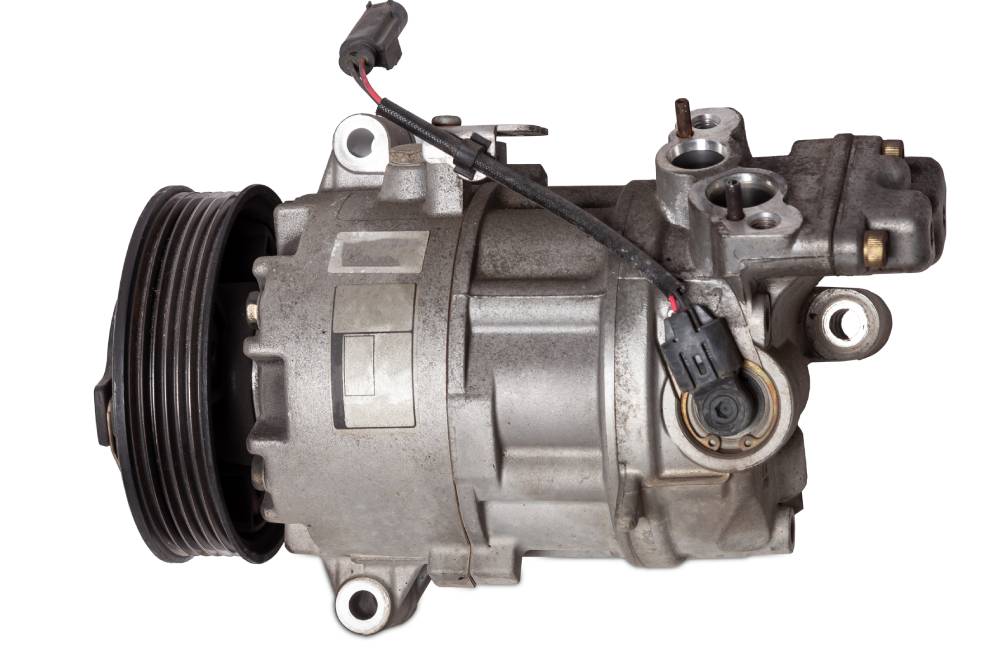
The AC compressor clutch is an electromagnetic coupling device mounted on the front of your AC compressor. Its job is to connect and disconnect the compressor from the engine’s serpentine belt.
Here is the key concept: your AC compressor is always physically connected to the belt. The belt spins the outer pulley of the compressor any time the engine is running. But the compressor itself only needs to run when you turn on the AC.
That is where the clutch comes in. When you press the AC button, an electromagnetic coil energizes, pulling a clutch plate against the spinning pulley. This locks the compressor shaft to the pulley, and the compressor starts pumping refrigerant.
When you turn the AC off, or when the system cycles to regulate temperature, the electromagnet releases the clutch plate, and the compressor stops even though the pulley keeps spinning.
The Three Main Components
The AC compressor clutch assembly consists of three parts:
- Clutch coil (electromagnetic coil): The stationary electromagnet that creates the magnetic field to engage the clutch.
- Clutch plate (hub/disc): The friction plate that locks onto the pulley when the coil is energized. It connects directly to the compressor shaft.
- Pulley and bearing: The outer pulley that spins freely on a bearing whenever the engine is running, whether or not the AC is on.
How Do You Know Your AC Clutch Is Failing?
AC compressor clutch problems usually show up in a few predictable ways. Here are the most common symptoms to watch for.
The AC Clutch Is Not Engaging
This is the single most common complaint. You turn on the AC and nothing happens — no click, no engagement, no cold air.
Possible causes include:
- Low refrigerant: Most vehicles have a low-pressure safety switch that prevents the clutch from engaging when refrigerant is low. This protects the compressor from running without lubrication. Before assuming the clutch is bad, have someone check your refrigerant level.
- Bad clutch coil: The electromagnetic coil can burn out or develop an open circuit. When this happens, there is no magnetic field to pull the clutch plate in.
- Failed pressure switch or relay: The electrical circuit that powers the clutch runs through several switches and relays. A failure anywhere in this circuit will prevent engagement.
- Blown fuse: A simple blown fuse in the AC circuit will prevent the clutch from getting power.
- Excessive air gap: Over time, the clutch plate can wear, increasing the gap between the plate and the pulley. If the gap becomes too large, the electromagnet cannot pull the plate in.
Unusual Noises When the AC Is On
A failing clutch bearing or worn clutch plate can produce several noises:
- Squealing or screeching when the AC kicks on, caused by a slipping clutch plate.
- Grinding or growling from a worn-out clutch bearing.
- Rattling or clicking from a loose or damaged clutch plate.
AC Clutch Cycles On and Off Rapidly
If your AC clutch engages and disengages every few seconds, something is wrong. Rapid cycling can be caused by low refrigerant, an intermittent electrical connection in the clutch coil, or a failing pressure switch. The clutch itself may still be fine, but this cycling will wear it out quickly if left unaddressed.
AC Blows Warm Air Intermittently
If your AC works sometimes but not others, a failing clutch that slips or has an intermittent electrical connection is a likely suspect. The clutch may engage at first but slip under load, or the coil connection may cut in and out.
Diagnosing an AC Compressor Clutch Problem
Before replacing parts, it is worth doing some basic diagnosis.
Step 1: Visual Inspection
With the engine running and the AC turned on, look at the front of the compressor. You should see the outer pulley spinning and the center hub (clutch plate) spinning with it. If the outer pulley spins but the center hub does not move, the clutch is not engaging.
Step 2: Check the Electrical Circuit
Use a multimeter to check for voltage at the clutch coil connector with the AC turned on. If you have 12 volts at the connector but the clutch does not engage, the coil is likely bad. If you have no voltage, the problem is upstream — check the fuse, relay, and pressure switches.
Step 3: Check the Clutch Coil Resistance
Disconnect the coil connector and measure the resistance across the coil terminals. Most AC clutch coils should read between 3 and 5 ohms. An open circuit (infinite resistance) means the coil is burned out.
Step 4: Check the Air Gap
The air gap between the clutch plate and pulley should typically be between 0.015 and 0.040 inches (check your vehicle’s specifications). Use a feeler gauge to measure it. An excessive gap can sometimes be corrected by removing shims behind the clutch plate.
Clutch-Only Replacement vs. Full Compressor Replacement
This is one of the most common questions we hear: should you replace just the clutch or the entire compressor?
When Clutch-Only Replacement Makes Sense
- The compressor itself is working fine and the only issue is the clutch coil, bearing, or plate.
- The compressor is relatively new or low-mileage.
- Budget is a primary concern and you want the lowest-cost repair.
When You Should Replace the Whole Compressor
- The compressor has high mileage or is showing signs of internal wear (metallic debris in the system, noisy operation).
- The clutch failure was caused by compressor seizure or internal damage.
- The cost difference between a clutch kit and a remanufactured compressor is not significant for your vehicle.
- You want the peace of mind of a complete replacement with warranty coverage.
In many cases, the labor to replace just the clutch is nearly the same as replacing the entire compressor, since both require recovering the refrigerant and removing the belt. That is why many shops and experienced DIYers choose to replace the whole compressor, especially if the unit has significant mileage.
How Much Does AC Compressor Clutch Replacement Cost?
Costs vary widely depending on the vehicle and whether you go clutch-only or full compressor.
- Clutch kit (parts only): $50 to $200 for most vehicles.
- Remanufactured compressor with clutch: $150 to $400 for most vehicles.
- Labor: $150 to $400 at a shop, depending on the vehicle and local rates.
- Refrigerant recharge: $50 to $150 additional.
If you are a DIYer with the right tools, you can save significantly on labor. Just remember that AC work requires proper refrigerant recovery equipment — it is illegal to vent refrigerant into the atmosphere.
Tips for a Successful Replacement
Whether you are doing the work yourself or having a shop handle it, keep these tips in mind:
- Always replace the receiver drier or accumulator when opening the AC system. These components contain desiccant that absorbs moisture, and once exposed to air, their capacity is reduced.
- Add the correct amount and type of compressor oil. Check your vehicle’s specifications for oil type (PAG 46, PAG 100, PAG 150, or POE) and quantity.
- Evacuate the system properly before recharging. A vacuum pump should pull the system down to remove all air and moisture.
- Check the air gap on the new clutch before buttoning everything up.
Frequently Asked Questions
The most common reasons are low refrigerant (the low-pressure switch prevents engagement to protect the compressor), a blown AC fuse, a failed relay, a burned-out clutch coil, or excessive air gap between the clutch plate and pulley. Check the fuse and relay first — they are the cheapest and fastest fixes.
Yes. If the compressor itself is mechanically sound, clutch-only replacement (coil, plate, and pulley) is a legitimate repair. However, since labor to replace the clutch is similar to replacing the whole compressor, many shops recommend replacing the full unit on high-mileage vehicles.
If the clutch plate (center hub) is not spinning when the AC is on but the outer pulley is, the clutch is not engaging — which points to the coil, electrical circuit, or low refrigerant. If the clutch engages but the AC still blows warm, the compressor itself has likely failed internally.
A slipping clutch produces squealing or screeching when the AC kicks on. A failing clutch bearing makes grinding or growling. A loose or damaged clutch plate rattles or clicks. Noises that appear or get worse when the AC turns on are the key indicator that the clutch is involved.
A clutch kit (parts only) runs $50 to $200 for most vehicles. Add $150 to $400 in labor at a shop, plus $50 to $150 for a refrigerant recharge. Total shop cost typically falls between $250 and $750. Replacing the full compressor (with clutch) often costs only slightly more and provides a longer warranty.
Yes, in most cases. If the clutch simply does not engage, the compressor internals are not turning and no damage occurs. The outer pulley still spins freely. You just lose air conditioning. The exception is if the clutch bearing is failing and making noise — a seized bearing can affect the serpentine belt.
A clutch-only replacement typically takes 1 to 2 hours at a shop for accessible compressors. Full compressor replacement takes 2 to 4 hours. Both jobs require refrigerant recovery and recharge, which adds time regardless of which option you choose.
Keep Your AC Running Strong
The AC compressor clutch is a hardworking component that most people never think about until it stops working. By understanding how it functions and recognizing the early signs of failure, you can catch problems before they leave you sweating in traffic.
At R & Y A/C Compressors, we have been supplying quality remanufactured and new AC compressors, clutch kits, and related components since 1989. Whether you need a standalone clutch assembly or a complete compressor, browse our catalog at rycompressors.com or give us a call. We are a family-owned and operated business in Miami, and we are always happy to help you find the right part for your vehicle.