
*By the AC Specialists at R & Y A/C Compressors | Family-owned and operated in Miami, FL since 1989 | Last updated: March 2026*
Quick Answer:
A car AC compressor typically lasts 8 to 15 years or 100,000 to 200,000 miles under normal conditions. The biggest killers of compressor life are low refrigerant, a contaminated system, wrong oil type, moisture, and infrequent use. Running the AC briefly every week — even in winter — significantly extends compressor life.
When you are spending several hundred dollars on an AC compressor replacement, you want to know how long the new one will last. The answer depends on a combination of factors, some within your control and some determined by the design of your vehicle. Understanding what affects compressor lifespan helps you make that investment last as long as possible.
Average AC Compressor Lifespan
A car AC compressor typically lasts 8 to 15 years or roughly 100,000 to 200,000 miles under normal driving conditions with proper maintenance. Many original factory compressors last the entire life of the vehicle without needing replacement.
However, these numbers are averages. Some compressors fail at 60,000 miles, while others run well past 250,000 miles. The difference usually comes down to how the vehicle is maintained, the climate where it is driven, and whether the rest of the AC system is in good condition.
Replacement Compressor Lifespan
A quality replacement compressor, whether new or remanufactured, should last just as long as the original if installed correctly in a clean system. Most premature failures in replacement compressors trace back to installation errors or contamination in the system, not to defects in the compressor itself.
Factors That Shorten AC Compressor Life
Understanding what kills compressors early helps you avoid these pitfalls.
1. Low Refrigerant Levels
This is the number one compressor killer. Refrigerant does more than just cool your cabin. It carries the oil that lubricates the compressor’s internal moving parts. When refrigerant is low:
- Less oil reaches the compressor’s bearings, pistons, and seals
- The compressor runs hotter due to reduced cooling
- Internal components wear faster without proper lubrication
- The compressor works harder to achieve the same cooling output
A slow leak that goes unnoticed for months can quietly destroy a compressor from the inside. By the time you notice the AC is not blowing as cold, significant internal wear may have already occurred.
2. Contaminated AC System
When a previous compressor fails internally, it can shed metal particles, sealant material, and degraded oil into the system. If the new compressor is installed without a thorough system flush, those contaminants circulate through the new unit and cause premature wear.
This is the most common reason replacement compressors fail within the first year. It is not a defect in the new part. It is old debris destroying the new part.
3. Incorrect Oil Type or Amount
AC compressors require a specific type and amount of lubricating oil. Using the wrong oil or the wrong amount can cause:
- Too little oil: Accelerated wear and eventual seizure
- Too much oil: Reduced cooling efficiency and hydraulic locking, where liquid oil pools in the compressor and prevents proper compression
- Wrong oil type: PAG oils come in different viscosities (PAG 46, PAG 100, PAG 150). Using the wrong viscosity is like running your engine on the wrong weight motor oil. Some systems require POE (ester) oil instead.
Always verify the correct oil type and capacity for your specific vehicle before installation.
4. Moisture in the System
Moisture is extremely harmful to AC systems. When water mixes with refrigerant and oil, it creates hydrochloric and hydrofluoric acids that corrode internal compressor surfaces. Moisture can also freeze at the expansion valve, causing intermittent blockages.
Moisture enters the system when:
- The system is opened for repair and not properly evacuated (vacuumed) before recharging
- The accumulator or receiver-drier is not replaced during a major repair (the desiccant that absorbs moisture becomes saturated)
- A leak allows humid air to enter the system
5. Infrequent AC Use
This one surprises most people. Running your AC regularly is actually better for the compressor than leaving it off for long periods.
Here is why: the compressor shaft seal requires a thin film of oil to stay flexible and maintain its seal. When the AC sits unused for weeks or months, the oil migrates away from the seal, and the seal dries out. Dry seals become brittle, crack, and begin leaking refrigerant.
Additionally, the compressor’s internal bearings and surfaces benefit from regular lubrication. Letting the system sit idle for an entire winter means those parts go months without oil circulation.
6. Overcharging the System
Too much refrigerant is just as bad as too little. An overcharged system runs at abnormally high pressures, which forces the compressor to work significantly harder than it was designed to. This excess stress leads to:
- Higher operating temperatures
- Premature bearing wear
- Potential seal blowout
- Compressor clutch strain
Overcharging is a common DIY mistake when using store-bought refrigerant recharge kits without manifold gauges to monitor actual system pressure.
7. Belt and Clutch Issues
A slipping serpentine belt or a failing compressor clutch can cause the compressor to cycle improperly. A clutch that slips generates heat at the clutch face and can transfer that heat to the compressor. A belt that is too loose does not drive the compressor at the correct speed, reducing oil circulation inside the unit.
8. Extreme Operating Conditions
Compressors in vehicles driven primarily in hot climates (Phoenix, Miami, Houston) work harder and run more hours per year than those in cooler regions. Similarly, vehicles frequently stuck in stop-and-go traffic put more strain on the AC because:
- Engine bay temperatures are higher at idle
- Condenser airflow is reduced at low speeds
- The compressor runs continuously during extended idle periods
Maintenance Tips to Extend Compressor Life
The good news is that most of the factors above are preventable. Here is what you can do to maximize your compressor’s lifespan.
Run the AC for 10 to 15 Minutes Every Week, Year-Round
Even in winter, turning on the AC briefly circulates oil through the compressor and keeps the shaft seal lubricated. Many modern vehicles automatically engage the AC when you use the defrost setting, so running the defroster periodically accomplishes this.
Fix Refrigerant Leaks Promptly
If your AC gradually starts blowing less cold over the course of weeks or months, you likely have a slow leak. Do not ignore it or keep adding refrigerant. Find and fix the leak before it causes compressor damage.
Replace the Accumulator or Receiver-Drier During Major Repairs
Anytime the AC system is opened for a significant repair (compressor, condenser, or evaporator replacement), replace the accumulator or receiver-drier. The desiccant inside has a finite moisture-absorbing capacity, and exposure to outside air during the repair quickly saturates it. A new accumulator is cheap insurance for your new compressor.
Use the Correct Refrigerant and Oil
Never mix refrigerant types (R-134a with R-1234yf) and always use the oil type and viscosity specified for your vehicle. When in doubt, check the label on the compressor itself or your vehicle’s service manual.
Avoid DIY Recharge Kits Without Gauges
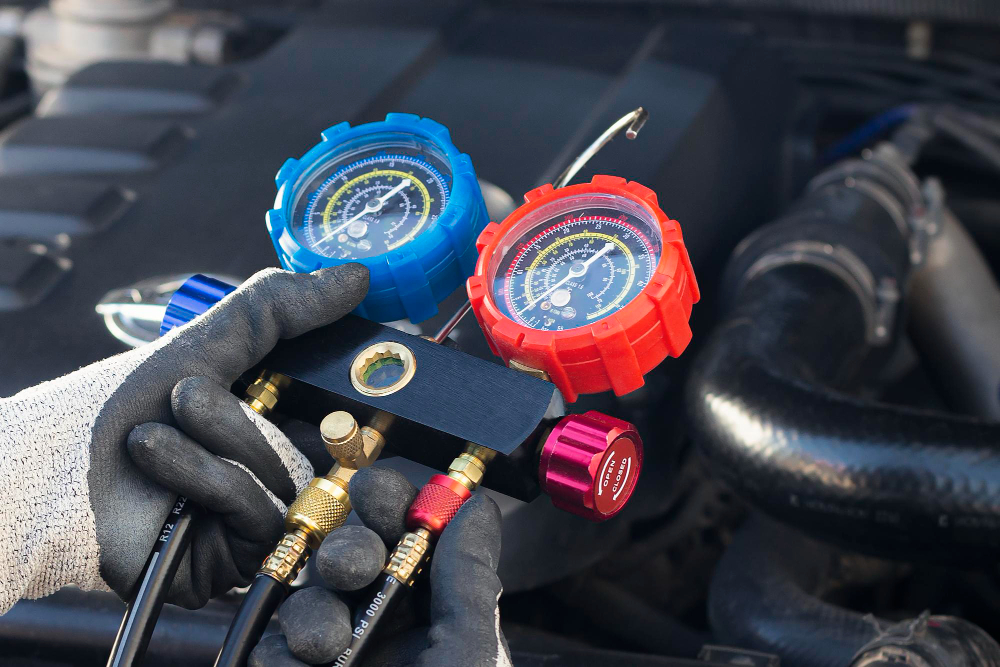
Those cans of refrigerant with a built-in gauge at the auto parts store are better than nothing, but they only measure low-side pressure. Without a high-side pressure reading, it is very easy to overcharge the system. If you want to recharge your AC yourself, invest in a proper manifold gauge set, or take it to a shop for a professional recharge.
Keep the Condenser Clean
A condenser coated in bugs, dirt, and road debris cannot release heat efficiently. When the condenser cannot cool the refrigerant adequately, system pressures rise and the compressor works harder. Periodically rinse the condenser with a garden hose. Avoid high-pressure washers, which can damage the delicate aluminum fins.
Have the System Inspected Annually
A quick AC performance check at the beginning of summer can catch problems early. A technician can verify refrigerant levels, check for leaks, and measure system pressures in 15 to 20 minutes. This is far cheaper than dealing with a compressor failure that could have been prevented.
Maintain the Serpentine Belt
A worn, cracked, or improperly tensioned belt affects compressor operation. Replace the serpentine belt according to your vehicle manufacturer’s recommended interval, typically every 60,000 to 100,000 miles.
When to Replace vs. Repair
Not every compressor problem requires a full replacement. Here are some guidelines.
Consider Repair When:
- The compressor clutch has failed but the compressor itself is still functional. The clutch can often be replaced separately.
- The only issue is a minor refrigerant leak at an O-ring connection.
- The electrical connector or wiring is damaged but the compressor is mechanically sound.
Replace When:
- The compressor makes grinding, knocking, or rattling noises
- Internal failure has sent debris into the system
- The compressor is seized or locked up
- The unit leaks from the shaft seal and is more than 8 to 10 years old
- Repair costs approach or exceed 60 percent of a new compressor cost
Maximizing the Life of a New Compressor
If you are about to install a new or remanufactured compressor, do everything right from the start:
- Flush the system to remove old oil and debris (mandatory if the previous compressor failed internally)
- Replace the accumulator or receiver-drier
- Replace the expansion valve or orifice tube if there is any doubt about its condition
- Evacuate the system properly (at least 30 minutes of vacuum) to remove all air and moisture
- Charge with the correct amount of refrigerant using manifold gauges
- Verify the correct oil type and quantity is in the system
These steps take extra time and cost a little more upfront, but they give your new compressor the clean, properly charged environment it needs to reach its full lifespan.
Frequently Asked Questions
Most car AC compressors last 8 to 15 years or 100,000 to 200,000 miles under normal conditions. Factory-installed compressors often outlast those figures. Replacement compressors can match the original lifespan if installed correctly in a properly flushed, recharged system.
Low refrigerant is the top cause of early compressor failure. Without adequate refrigerant, the oil that lubricates compressor internals cannot circulate properly, causing accelerated wear and eventually seizure. Running the system with a known slow leak will destroy a compressor within months.
Yes, over time. The compressor shaft seal needs regular oil circulation to stay flexible. Without it, the seal dries out, becomes brittle, and begins leaking. Running the AC for 10 to 15 minutes weekly — or using the defrost setting, which often engages the AC — prevents this.
A quality replacement compressor should last as long as the original — 8 to 15 years — when installed correctly. Most premature failures trace to installation shortcuts: skipping the system flush, reusing the old accumulator, using the wrong oil, or not properly evacuating the system before recharging.
Yes. Run the AC briefly every week year-round, fix refrigerant leaks promptly, keep the condenser clean, use the correct refrigerant oil, and have the system professionally inspected annually. These steps prevent the most common causes of early compressor failure.
Absolutely. The cost of flushing the system, replacing the accumulator and expansion valve, and properly evacuating before recharge is $100 to $200 in parts. Skipping these steps risks destroying a $200–$400 compressor within months. The preventive investment always pays off.
The Bottom Line
A car AC compressor can easily last a decade or more with basic maintenance and attention. The enemies of compressor longevity are leaks, contamination, wrong oil, and neglect. Keep the system sealed, clean, and properly charged, and your compressor will reward you with years of reliable cold air.
When the time does come for a replacement, R & Y A/C Compressors has been supplying quality new and remanufactured compressors since 1989. Every unit ships pre-oiled, tested, and ready to install. Enter your year, make, and model at rycompressors.com to find the right compressor.