
*By the AC Specialists at R & Y A/C Compressors | Family-owned and operated in Miami, FL since 1989 | Last updated: March 2026*
Quick Answer: AC compressor noise points to specific problems: clicking or knocking usually means internal wear or failing components; squealing typically points to a worn belt or clutch bearing; grinding signals immediate bearing or internal failure requiring prompt attention. Identify when the noise occurs (AC on vs. off) to narrow down the source before spending money on parts.
Your car’s air conditioning system should run quietly in the background. When it starts making noise, that is your vehicle telling you something is wrong. The type of sound matters. A squeal means something very different from a grinding noise, and knowing the difference can save you hundreds of dollars in unnecessary repairs.
At R & Y A/C Compressors, we have been diagnosing and rebuilding AC compressors since 1989. In this guide, we will walk you through the most common AC compressor noises, what each one means, and what you should do about it.
Why Your AC Compressor Makes Noise
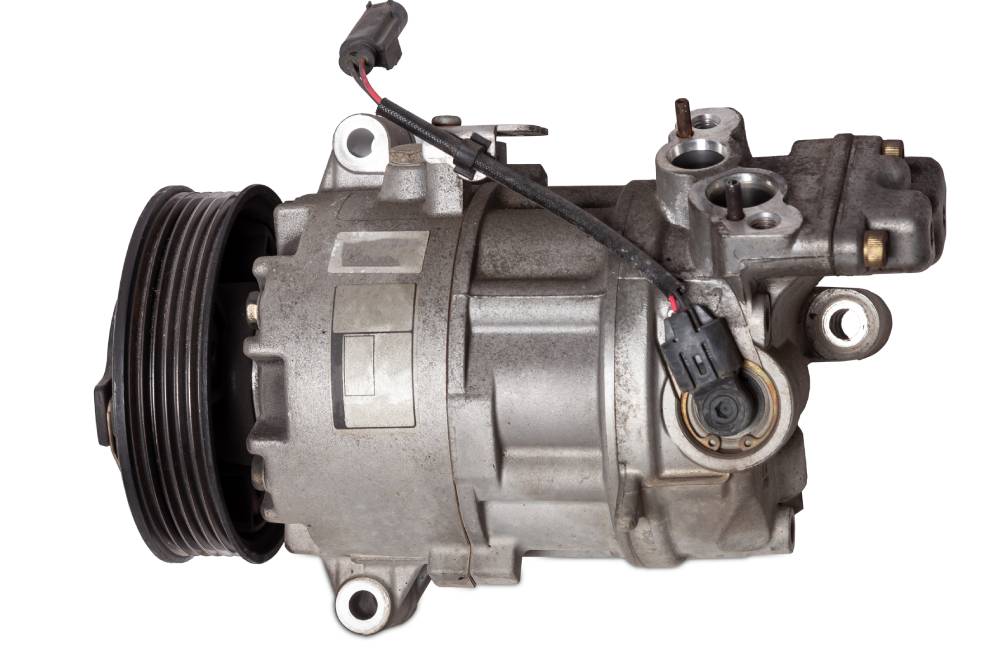
The AC compressor is a mechanical pump driven by a belt connected to your engine. It compresses refrigerant gas into a high-pressure liquid, which then flows through the system to cool your cabin. Because the compressor has internal moving parts, bearings, a clutch mechanism, and a pulley, any of these components can produce noise when they start to wear or fail.
Understanding the specific sound helps you pinpoint the problem before it gets worse.
Clicking or Knocking Noise from the AC Compressor
What It Sounds Like
A rhythmic clicking, tapping, or knocking that speeds up with engine RPM. It typically starts when you turn the AC on and stops when you turn it off.
What It Usually Means
- Worn internal components. The pistons, valve plates, or reed valves inside the compressor may be damaged or worn. As metal parts loosen, they create a knocking or tapping sound.
- Loose mounting hardware. The compressor is bolted to the engine block. If a mounting bolt loosens, the compressor can shift slightly and produce a knocking sound under load.
- Debris in the system. Metal shavings from a previous compressor failure can circulate through the system and cause clicking as they pass through valves.
What to Do
Start by checking the mounting bolts. If those are tight, the clicking is likely internal. Internal clicking in a compressor usually means the unit is failing. Continuing to run it risks spreading metal debris throughout your AC system, which can damage the condenser, expansion valve, and evaporator.
Squealing Noise When AC Is Turned On
What It Sounds Like
A high-pitched squeal or screech that occurs right when you engage the AC, or intermittently while driving with the AC on.
What It Usually Means
- Worn or glazed serpentine belt. The belt that drives the compressor can slip on the pulley when it is worn, cracked, or contaminated with oil. This produces a loud squeal, especially under the extra load of the compressor engaging.
- Belt tension issues. A loose belt or a failing automatic belt tensioner cannot keep enough pressure on the compressor pulley.
- Failing compressor clutch bearing. The clutch assembly includes a bearing that allows the pulley to spin freely when the AC is off. When this bearing wears out, it can squeal.
Diagnostic Steps
- Turn the AC off and listen. If the squeal stops, the problem is related to the added load of the compressor.
- Inspect the serpentine belt for cracks, glazing, or fraying.
- Check the belt tensioner. Push on the belt midway between pulleys. It should deflect no more than half an inch.
- Spray a small amount of water on the belt while the engine is running. If the squeal briefly stops, the belt is slipping and needs replacement.
- If the belt and tensioner are fine, the clutch bearing is the likely cause.
What to Do
Replace the belt if it shows wear. If the belt is in good shape but still squealing, check the tensioner. A failing clutch bearing typically requires replacing the entire clutch assembly or the compressor.
Grinding Noise from the AC Compressor
What It Sounds Like
A harsh, metallic grinding sound that may be constant or occur only when the AC is engaged. This is often one of the most alarming AC noises.
What It Usually Means
- Seized or seizing bearings. The internal bearings in the compressor or the clutch bearing are failing. Metal-on-metal contact creates the grinding sound.
- Internal compressor failure. The pistons or scroll mechanism inside the compressor may have broken apart, causing metal parts to grind against each other.
- Compressor running without oil. If the system has lost its refrigerant oil due to a leak, the compressor runs dry and grinds itself apart.
What to Do
Stop running the AC immediately. A grinding compressor is actively destroying itself and contaminating your system with metal particles. Every minute you run it makes the eventual repair more expensive because the debris spreads to other components.
Have the compressor inspected right away. In almost every case, a grinding compressor needs to be replaced. You will also need a full system flush to remove metal contamination.
Rattling or Buzzing Sounds
What It Sounds Like
A loose rattling, buzzing, or vibrating sound that may come and go. It can be tricky to distinguish from other engine noises.
What It Usually Means
- Loose compressor mounting. Vibration from normal operation can loosen bolts over time.
- Worn clutch assembly. A failing clutch can rattle as it engages and disengages.
- Refrigerant charge issues. A system that is low on refrigerant can cause the compressor to cycle rapidly, producing a buzzing or rattling sound.
- Loose heat shields or brackets. Components near the compressor can vibrate in sympathy and produce misleading noises.
Diagnostic Steps
- Have someone toggle the AC on and off while you listen near the compressor with the hood open.
- Check all compressor mounting bolts with a wrench.
- Inspect nearby brackets, heat shields, and hoses for looseness.
- Check the refrigerant pressure with a gauge set. Low pressure can cause rapid clutch cycling that sounds like a rattle.
Hissing or Gurgling After Shutdown
What It Sounds Like
A hissing or bubbling sound that occurs for a few seconds after you turn the engine or AC off.
What It Usually Means
This is usually normal. When the system shuts down, high-pressure and low-pressure sides equalize, and refrigerant flows through the expansion valve or orifice tube. A brief hissing sound is expected.
However, if the hissing is loud, continuous, or happens while the system is running, it can indicate a refrigerant leak or a failing expansion valve.
How to Diagnose AC Compressor Noise Step by Step
Follow this process to narrow down the source of the noise:
- Note when the noise occurs. Does it happen only with the AC on, only at certain RPMs, or all the time?
- Turn the AC off. If the noise stops, the compressor or clutch is involved. If it continues, the pulley bearing may be the issue since the pulley spins whenever the engine runs.
- Open the hood and listen. Localize the sound. Is it coming from the compressor itself or from the belt area?
- Check the belt and tensioner. Look for visible wear, check tension, and inspect the tensioner arm for smooth operation.
- Inspect the compressor visually. Look for oil residue around the compressor shaft seal, which indicates a leak. Check mounting bolts.
- Check refrigerant pressures. Use a manifold gauge set. Low-side pressure below 25 PSI or high-side pressure above 300 PSI can both cause abnormal compressor behavior and noise.
- Spin the compressor by hand (engine off). Remove the belt and try to turn the compressor clutch plate. It should rotate smoothly. Any roughness or inability to turn indicates internal failure.
When to Replace vs. Repair
Not every noise means you need a new compressor. Here is a general guide:
- Belt squeal: Replace the belt or tensioner. Low cost, easy fix.
- Clutch bearing noise: Replace the clutch assembly. Moderate cost.
- Internal clicking or knocking: The compressor is likely failing. Replacement is recommended.
- Grinding: The compressor needs to be replaced immediately, along with a full system flush.
Frequently Asked Questions
A click when the AC engages is normal — it is the clutch engaging. But a rhythmic clicking that continues while the AC runs usually means internal wear inside the compressor (worn valve plates, reed valves, or pistons) or occasionally loose mounting bolts. Continued operation spreads metal debris through the system.
It depends on the noise. A belt squeal or light rattle is usually safe to drive with temporarily. A grinding or loud knocking noise means the compressor is actively failing — turn off the AC immediately and have it inspected. Running a grinding compressor contaminates the entire AC system with metal particles.
A brief squeal at startup often indicates a worn or glazed serpentine belt slipping under the load of the compressor engaging. It can also be a worn clutch bearing. Inspect the belt for glazing, cracks, or contamination, and check the belt tensioner for proper tension.
A compressor nearing failure typically progresses from intermittent knocking or clicking to a constant grinding or growling sound. You may also notice reduced cooling performance alongside the noise, as internal wear reduces pumping efficiency.
Yes. Low refrigerant reduces the oil circulating through the compressor, leading to insufficient lubrication. This accelerates internal wear and can cause grinding, knocking, or squealing as metal components wear against each other. Always check refrigerant level when diagnosing AC noise.
It depends on the cause. Belt replacement: $50–$150. Clutch bearing or clutch assembly: $100–$400. Full compressor replacement: $500–$1,200 including labor and recharge. Diagnosing the exact noise type first can save you from replacing parts unnecessarily
Protect Your Investment with a Quality Replacement
When your AC compressor does need to be replaced, the quality of the replacement unit matters. A cheap compressor can fail within months, putting you right back where you started.
R & Y A/C Compressors has been remanufacturing and supplying AC compressors, clutches, and AC components from our Miami facility since 1989. Every remanufactured unit is tested to meet or exceed OE specifications. Whether you are a DIY car owner or a professional shop, we offer the parts and technical knowledge to get your AC system running quietly again.
Enter your year, make, and model at rycompressors.com or contact us for help identifying the right compressor for your vehicle.