
*By the AC Specialists at R & Y A/C Compressors | Family-owned and operated in Miami, FL since 1989 | Last updated: March 2026*
Quick Answer:
An AC compressor kit bundles the compressor with the accumulator or receiver-drier, orifice tube or expansion valve, O-rings, and compressor oil — all matched for your specific vehicle. Kits save 15–30% over buying parts individually, guarantee compatibility, and prevent the most common installation mistakes that lead to repeat failures.
When your AC compressor fails, you are not just replacing one part. A proper AC repair involves several components that need to be replaced together to protect the new compressor and ensure the system works correctly. That is where an AC compressor kit comes in.
An AC compressor kit bundles the compressor with all the essential supporting components you need for a complete, reliable repair. In this guide, we will explain exactly what is in a kit, why each component matters, and why buying a kit almost always makes more sense than purchasing parts individually.
What Comes in an AC Compressor Kit?
While the exact contents vary by vehicle application, a typical AC compressor kit includes:
1. AC Compressor (New or Remanufactured)
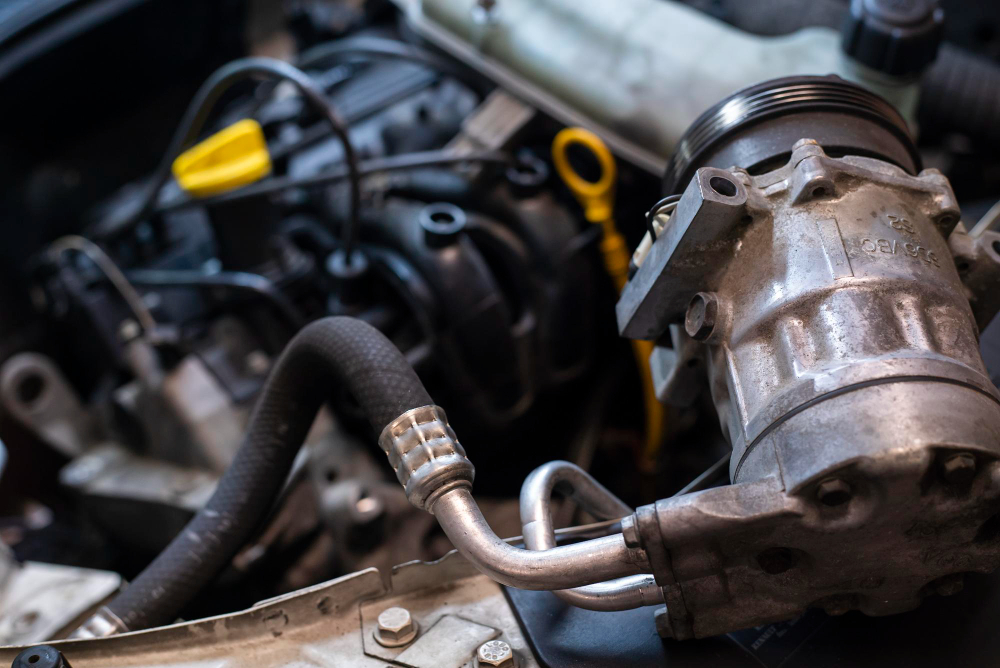
The compressor is the heart of the kit. It is the pump that circulates refrigerant through the entire AC system. Compressors come in two main forms:
- Remanufactured: A used compressor that has been completely disassembled, inspected, cleaned, and rebuilt with new wear components. Quality remanufactured compressors perform like new at a lower price point.
- New (aftermarket): A brand-new compressor built to OE specifications. Some applications are only available new.
Both options work well when sourced from a reputable supplier. The key is matching the compressor to your specific vehicle application.
2. Accumulator or Receiver Drier
Every kit should include either an accumulator (for orifice tube systems) or a receiver drier (for expansion valve systems). As we covered in our guide on these components, they must be replaced any time the AC system is opened.
The accumulator or receiver drier removes moisture from the refrigerant, filters debris, and prevents liquid refrigerant from damaging the compressor. Reusing the old one is one of the most common causes of repeat compressor failure.
3. Orifice Tube or Expansion Valve
The metering device that controls refrigerant flow into the evaporator is another wear item that should be replaced during a compressor job.
- Orifice tube: A simple, inexpensive fixed restriction. After years of service, the screen can become clogged with debris. After a compressor failure, it almost certainly has contamination trapped in it.
- Expansion valve: A variable metering device with moving parts that can stick or fail over time. Replacing it during a compressor job is smart preventive maintenance.
Many kits include the appropriate metering device for the application.
4. O-Rings and Seals
Every refrigerant connection in the AC system uses O-rings to prevent leaks. When lines are disconnected during repair, the old O-rings should never be reused.
A good kit includes a set of O-rings for all the connections you will disturb during the repair. These are matched to the refrigerant type (R-134a O-rings are different from R-1234yf O-rings) and sized for the specific fittings on your vehicle.
5. Compressor Oil
AC compressors require a specific type and quantity of oil for lubrication. The oil also travels through the system with the refrigerant, lubricating the entire loop.
Most kits include the correct type and pre-measured amount of compressor oil. Common oil types include:
- PAG 46: Used in many Japanese and some domestic vehicles.
- PAG 100: Common in many GM and Ford applications.
- PAG 150: Used in some European vehicles.
- POE (Ester oil): Used in some hybrid and electric vehicle applications.
Using the wrong oil type or amount can damage the compressor and reduce cooling performance.
6. Additional Components (Some Kits)
Depending on the supplier and application, some kits also include:
- Refrigerant: Some kits come with a can of R-134a or R-1234yf.
- Compressor clutch and coil: Pre-installed on the compressor.
- Mounting hardware: Bolts and brackets specific to the application.
- Installation instructions: Step-by-step guidance for the specific vehicle.
Why Buy a Kit Instead of Individual Parts?
Cost Savings
This is the most straightforward reason. Buying a kit is almost always cheaper than purchasing each component separately. Suppliers bundle these parts together at a discount because they know they all need to be replaced together.
The savings typically range from 15 to 30 percent compared to buying the same components individually. On some applications, the kit price can be surprisingly close to the cost of the compressor alone.
Guaranteed Compatibility
When you buy a kit matched to your vehicle, every component is guaranteed to fit and work together. There is no risk of ordering the wrong accumulator, an incompatible orifice tube, or O-rings that are the wrong size.
This is especially valuable for DIYers who may not be as familiar with all the variations in AC components across different vehicles and model years.
Complete Repair in One Box
Having everything you need in one package means no waiting for additional parts, no second trips to the parts store, and no temptation to skip replacing a component because you did not buy it.
When parts are purchased individually, it is common for corners to get cut. The accumulator gets reused because it “looks fine.” The O-rings get skipped because “the old ones seem okay.” The orifice tube does not get replaced because nobody thought to order one. Each shortcut increases the risk of a repeat failure.
A kit removes those temptations by putting everything in front of you.
Warranty Protection
Most reputable suppliers offer a warranty on their AC compressor kits, but that warranty often requires that all included components were installed. If you buy a compressor with a warranty but do not replace the accumulator or drier, and the compressor fails due to moisture contamination, the warranty claim may be denied.
Using a complete kit and installing everything as directed protects your warranty.
New vs. Remanufactured Compressor Kits
Remanufactured Kits
- Lower cost than new, typically 20 to 40 percent less.
- Environmentally friendly because they reuse the original compressor housing and some internal components.
- Quality depends on the remanufacturer. A reputable remanufacturer completely disassembles, cleans, inspects, and rebuilds each compressor with new wear parts. A less reputable one may cut corners.
- Good choice for most daily drivers, especially when budget matters.
New Kits
- Higher cost but comes with all brand-new components.
- Consistent quality from the factory.
- Good choice for newer vehicles, luxury vehicles, or when the customer wants maximum peace of mind.
Both options can provide years of reliable service when sourced from a quality supplier and installed correctly.
How Much Does an AC Compressor Kit Cost?
Kit prices vary by vehicle and whether the compressor is new or remanufactured.
- Remanufactured compressor kit: $150 to $400 for most vehicles.
- New compressor kit: $200 to $600 for most vehicles.
- Labor (shop installation): $300 to $700, depending on the vehicle and local rates.
- Refrigerant recharge: Often included in labor, or $50 to $150 additional.
Compare this to buying parts individually:
- Compressor alone: $150 to $400.
- Accumulator or drier: $20 to $60.
- Orifice tube or expansion valve: $10 to $80.
- O-ring kit: $10 to $25.
- Compressor oil: $8 to $15.
- Individual total: $200 to $580+ without the kit discount.
The kit saves you money and hassle.
Installation Tips for AC Compressor Kits
Whether you are installing the kit yourself or having a shop do it, keep these best practices in mind:
- Flush the system before installing the new compressor. If the old compressor failed internally, metallic debris may be lodged in the condenser, hoses, and lines. Flushing removes this contamination. Some condensers with very fine passages cannot be flushed effectively and may need to be replaced.
- Add the correct oil amount. The kit specifies how much oil to add to the new compressor. If you flushed the system, you will need to add enough oil to account for what was removed. Check your vehicle’s total system oil capacity.
- Evacuate the system thoroughly. After reassembly, use a vacuum pump to pull the system into a deep vacuum for at least 30 minutes. This removes air and moisture. The vacuum gauge should hold steady after you close the valves, confirming there are no leaks.
- Charge to spec. Use a scale to add the exact amount of refrigerant specified for your vehicle. Overcharging or undercharging both cause poor performance and can damage components.
- Do not open the new accumulator or drier until you are ready to install it. The desiccant inside starts absorbing atmospheric moisture immediately upon exposure.
Frequently Asked Questions
A typical AC compressor kit includes the compressor (new or remanufactured), the accumulator or receiver-drier, the orifice tube or expansion valve, a set of O-rings and seals, and compressor oil. Some kits also include refrigerant, mounting hardware, and installation instructions. Contents vary by vehicle application.
For most repairs, a kit is the better choice. Kits save 15 to 30 percent over buying the same components separately, guarantee all parts are compatible with each other and your vehicle, and prevent the common mistake of skipping critical supporting components like the accumulator.
Yes, always. The accumulator (or receiver-drier) must be replaced any time the AC system is opened. Its internal desiccant has a limited moisture-absorbing capacity. Reusing a saturated accumulator after a compressor job is one of the most common causes of premature new compressor failure.
Use the seller’s year/make/model search tool or VIN lookup. Also confirm your engine size and any relevant options like dual-zone climate control or hybrid powertrain — the same vehicle model in different configurations may require different kits.
The mechanical installation is within reach for experienced DIYers. However, AC work requires professional refrigerant recovery equipment (it is illegal to vent refrigerant to the atmosphere), and the system must be properly evacuated and recharged after installation. Many DIYers do the mechanical work and pay a shop for the refrigerant service.
The kit itself runs $150 to $600 depending on vehicle and whether new or remanufactured. Add $300 to $700 for shop labor and $50 to $150 for refrigerant recharge. Total shop cost typically runs $500 to $1,300 for most vehicles — similar to compressor replacement alone, but with all the necessary components included.
A new kit uses an all-new compressor from the factory. A remanufactured kit uses a compressor that has been completely disassembled, rebuilt with new wear components, and tested. Remanufactured kits cost 20 to 40 percent less and are environmentally friendlier. Both perform equivalently when sourced from a quality supplier.
Get the Right Kit for Your Vehicle
An AC compressor kit takes the guesswork out of an AC repair and sets you up for a lasting fix. Instead of piecing together individual parts and hoping you have everything, a kit gives you a complete, matched set of components in one package.
At R & Y A/C Compressors, we have been building and supplying AC compressor kits since 1989. Every kit we sell is matched to the specific vehicle application and includes the components needed for a complete, warrantied repair. Enter your year, make, and model at rycompressors.com to find the right kit for your vehicle or contact our team in Miami for help finding the right kit for your car, truck, or SUV.