
*By the AC Specialists at R & Y A/C Compressors | Family-owned and operated in Miami, FL since 1989 | Last updated: March 2026*
Quick Answer:
The 7 main signs of a failing AC compressor are: warm air from vents, strange noises when AC is on, the clutch not engaging, visible refrigerant leaks, intermittent AC cycling, visible physical damage, and weak cooling despite the system running. Catching these early prevents costly damage to other AC components.
A failing AC compressor rarely dies all at once. In most cases, it gives you warning signs days or even weeks before it quits completely. Recognizing these symptoms early can save you from a more expensive repair down the road, because a compressor that fails catastrophically can send metal debris through your entire AC system and damage other components.
Here are the seven most common signs that your car’s AC compressor is going bad, what causes each symptom, and what you should do about it.
1. Warm Air Blowing From the Vents
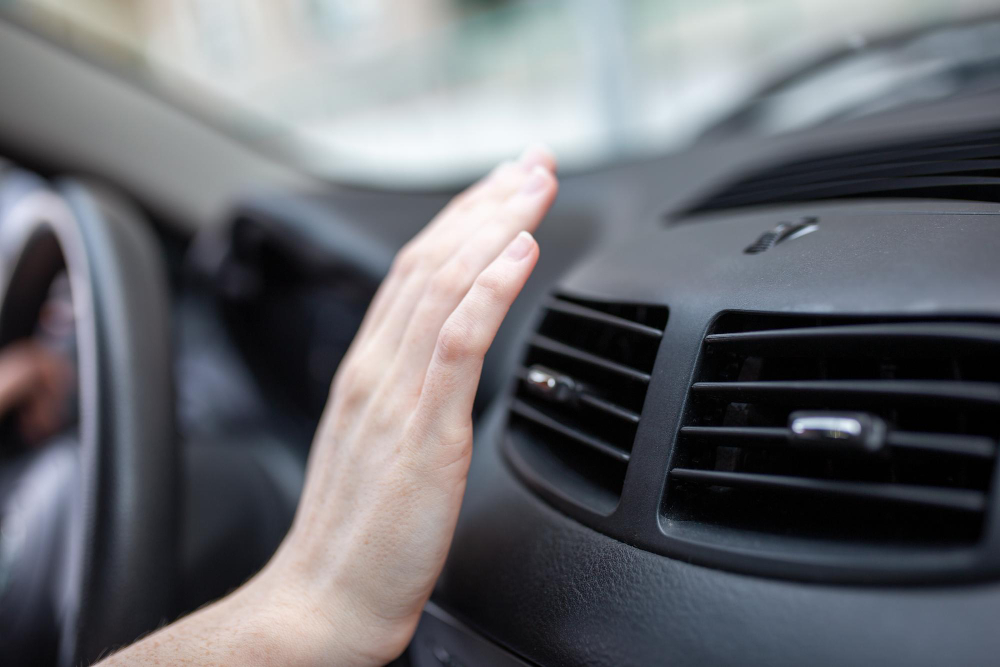
This is the most obvious symptom and usually the first one you notice. You turn on the AC, set it to the coldest temperature, and the air coming through the vents is warm or barely cool.
What Is Happening
The compressor is responsible for pressurizing refrigerant and circulating it through the system. If it is not compressing properly, refrigerant does not cycle, and your evaporator cannot absorb heat from the cabin air. The result is air that feels warm even though the AC is on and the blower fan is running.
What to Check
Warm air does not always mean a bad compressor. Low refrigerant from a leak is actually the more common cause. Before assuming the compressor has failed, have a technician check the refrigerant level and look for leaks. If refrigerant levels are correct and the compressor is still not producing cold air, the compressor itself is likely the problem.
2. Strange Noises When the AC Is On
AC compressors are not silent, but they should produce a consistent, low hum when engaged. If you hear new or unusual noises that only appear when the AC is running, pay attention.
Types of Noises and What They Mean
- Grinding or growling: Internal bearing failure. The compressor’s bearings are wearing out and metal is contacting metal. This will get worse quickly.
- Squealing or screeching: Often related to the compressor clutch or the serpentine belt slipping on the compressor pulley. Can also indicate a seized or seizing compressor.
- Rattling or clicking: Could be a loose mounting bolt, a failing clutch, or broken internal components like reed valves or pistons.
- Knocking: Usually indicates severe internal damage. Metal fragments from a broken component are bouncing around inside the compressor housing.
Why This Matters
Noise means mechanical wear is actively happening. The longer you run a compressor that is making unusual sounds, the more internal damage occurs. Metal debris from a failing compressor can circulate through your entire AC system, contaminating the condenser, expansion valve, and evaporator. Catching it early means replacing just the compressor instead of multiple components.
3. The Compressor Clutch Is Not Engaging
When you turn on your AC, you should hear a faint click from under the hood. That is the compressor clutch engaging and coupling the compressor to the engine’s serpentine belt. If the clutch does not engage, the compressor cannot pump refrigerant.
How to Check
With the engine running and the AC turned on, look at the compressor pulley under the hood. The outer pulley ring spins with the belt at all times. The center hub should also spin when the AC is on. If the center hub stays still while the outer ring spins, the clutch is not engaging.
Common Causes
- Low refrigerant: The low-pressure switch will prevent the clutch from engaging if refrigerant is too low. This protects the compressor from running without proper lubrication.
- Bad clutch coil: The electromagnetic coil that activates the clutch can burn out.
- Failed AC relay or blown fuse: The simplest and cheapest possibility. Check these before assuming the compressor or clutch is bad.
- Bad pressure switch: A faulty high or low-pressure switch can incorrectly signal the system to keep the compressor off.
- Compressor internal failure: If the compressor is seized internally, the clutch may disengage as a protective measure or simply cannot turn the compressor shaft.
4. Visible Refrigerant Leaks
Refrigerant leaks at the compressor are a clear sign of trouble. While leaks can occur anywhere in the AC system, the compressor has several common leak points.
Where Compressor Leaks Occur
- Shaft seal: The front shaft seal is one of the most common leak locations. It is a rotating seal that can wear over time and begin allowing refrigerant to escape.
- Housing gaskets: The gaskets between compressor body halves can deteriorate.
- Fitting connections: The refrigerant line connections on the compressor can develop leaks at the O-rings.
How to Spot a Leak
Refrigerant itself is invisible, but you can often spot leak evidence:
- Oily residue: Refrigerant carries compressor oil. A leak will leave an oily film around the leak point.
- UV dye traces: If a technician has previously added UV dye to the system, leaks will glow under a UV light.
- Electronic leak detectors: Professional shops use electronic sniffers that detect refrigerant gas.
When to Replace vs. Repair
Minor leaks at O-ring connections can sometimes be fixed by replacing the O-rings. A leaking shaft seal is more involved and often makes the case for replacing the entire compressor, especially if the unit is older or showing other symptoms.
5. The AC Circuit Breaker Keeps Tripping
Many vehicles have a high-pressure cutoff switch or circuit breaker that shuts down the compressor when system pressure gets too high. If your AC works intermittently, cycling on and off every few minutes, a failing compressor could be the cause.
What Is Happening
When a compressor is failing internally, it may not pump efficiently, causing abnormal pressure readings. It might overpressurize the high side or underpressurize the low side. The system’s safety switches detect these abnormal pressures and shut the compressor down to prevent damage. After pressure normalizes, the system restarts, and the cycle repeats.
What This Feels Like
You will notice the AC blowing cold for a few minutes, then switching to warm, then back to cold again. The cycle time varies, but the pattern is consistent. You might also hear the compressor clutch clicking on and off under the hood.
Other Possible Causes
Intermittent cycling can also result from an overcharged system, a partially clogged condenser, or a faulty pressure switch. A technician with manifold gauges can quickly read the system pressures and determine whether the compressor is the root cause.
6. Visible Physical Damage to the Compressor
Sometimes the evidence is right in front of you. Physical damage to the compressor body, clutch assembly, or electrical connector is a straightforward sign that replacement is needed.
What to Look For
- Cracked or broken housing: Impact damage or severe internal pressure can crack the compressor body
- Damaged clutch plate: A clutch face that is visibly worn, cracked, or covered in dark dust (clutch material) indicates excessive wear
- Broken electrical connector: The clutch coil connector can become damaged or corroded, preventing the clutch from receiving power
- Corroded or damaged refrigerant fittings: Heavily corroded fittings may not seal properly even with new O-rings
- Discolored or burnt appearance: A compressor that looks scorched or discolored has likely overheated, indicating severe internal problems
What Causes Physical Damage
Road debris, improper installation of other engine components, and age-related corrosion are common culprits. In some cases, a locked-up compressor can cause the serpentine belt to burn or break, which may be the first visible sign of trouble.
7. Unusually High Cabin Temperatures Despite AC Running
This is different from symptom number one. In this case, the AC is producing some cool air, but the cabin never reaches a comfortable temperature, especially on hot days. The system is working but clearly underperforming.
What This Indicates
A compressor that is wearing out internally may still pump some refrigerant, but not enough to produce full cooling capacity. Internal components like pistons, scrolls, or reed valves can wear to the point where the compressor cannot generate adequate pressure. It is technically functioning, but it cannot keep up with the cooling demand.
How to Confirm
A technician can connect manifold gauges and compare your system’s actual pressures to the manufacturer’s specifications. If the high-side pressure is lower than it should be and the low-side pressure is higher than it should be, the compressor is not compressing efficiently. This is a clear sign of internal wear.
Other Contributing Factors
Before blaming the compressor, make sure the condenser is clean and not blocked by debris, the cabin air filter is not clogged, and the cooling fans are operating correctly. These are all common causes of reduced cooling that are much cheaper to fix than a compressor.
What to Do If You Notice These Symptoms
If one or more of these signs match what you are experiencing, here is a practical plan:
- Start with the easy stuff: Check the AC fuse and relay. These are cheap and take minutes to inspect.
- Check refrigerant levels: Have a shop check for leaks and verify refrigerant charge. Low refrigerant is the most common cause of AC problems.
- Get a proper diagnosis: A technician with manifold gauges and experience can pinpoint whether the compressor is the problem or if something else is causing the symptoms.
- Act sooner rather than later: A compressor that is making noise or intermittently failing will eventually fail completely. Replacing it before a catastrophic failure can save you from a much more expensive repair that includes the condenser, expansion valve, and full system flush.
Frequently Asked Questions
Warm air blowing from the vents is the most common and obvious symptom. However, low refrigerant is actually the more frequent underlying cause. A proper diagnosis should check refrigerant levels first before concluding the compressor itself has failed.
If the compressor’s outer pulley bearing is failing, you may hear grinding or rumbling even with the AC off, because the pulley spins freely any time the engine is running. If the noise only occurs when the AC is turned on, the issue is more likely inside the compressor or with the clutch.
With the AC on, watch the front of the compressor. If the outer pulley spins but the center hub does not turn, the clutch is not engaging — which could be the clutch coil, a fuse, relay, or low refrigerant. If the clutch engages but the AC still blows warm, the compressor itself has likely failed internally.
Turn the AC off immediately and drive with it off. If the noise is from internal compressor damage, continuing to run the AC accelerates debris contamination throughout the system. The compressor pulley will still spin quietly with the belt even with AC off, so you can drive safely while you arrange the repair.
It depends on how it is failing. A weak compressor with no noise can wait weeks. A noisy compressor should be addressed within days to prevent debris contamination. A seized compressor must be addressed immediately to prevent serpentine belt failure.
A failing compressor can increase engine load, reduce fuel efficiency slightly, and in the worst case (seizure) destroy the serpentine belt and disable the alternator, power steering, and water pump. Address a seized compressor immediately.
For most vehicles, total replacement including parts, supporting components, and labor runs $500 to $1,200. If the compressor failed catastrophically and contaminated the system with debris, add $300–$600 for condenser replacement and system flush.
Do Not Wait Until the Heat Is Unbearable
Catching a failing compressor early is one of the smartest things you can do for your wallet and your comfort. The symptoms listed here give you clear warning signs. Pay attention to them, especially as temperatures start climbing.
When it is time for a replacement, R & Y A/C Compressors carries new and remanufactured compressors for thousands of vehicle applications. Every unit ships pre-oiled, tested, and backed by our warranty. Search for your vehicle at rycompressors.com and get back to cold air fast.