
*By the AC Specialists at R & Y A/C Compressors | Family-owned and operated in Miami, FL since 1989 | Last updated: March 2026*
Quick Answer:
The most impactful DIY AC maintenance habits are: run the AC 10 minutes weekly year-round to keep compressor seals lubricated, replace the cabin air filter every 12,000–15,000 miles, clean the condenser fins annually, inspect the serpentine belt for wear, and check visually for refrigerant leaks. These steps cost little and can prevent repairs totaling hundreds or thousands of dollars.
A car AC system is not something most people think about until it stops working. By that point, you are usually looking at a repair bill that could have been avoided with basic preventive maintenance.
The good news is that keeping your AC in top shape does not require special tools or professional training. Most of the maintenance that matters can be done in your driveway in a few minutes. Here are ten practical DIY tips to keep your car’s air conditioning blowing cold for years to come.
1. Run Your AC for 10 Minutes Every Week, Year-Round
This is the single most important maintenance habit, and it costs nothing.
The AC compressor has internal seals that rely on oil to stay pliable and maintain their seal. When the system sits unused for weeks or months, typically during winter, those seals dry out. Dry seals crack, and cracked seals leak refrigerant.
Running the AC for at least 10 minutes once a week keeps oil circulating through the compressor and the entire system. You do not need to blast cold air in January. Simply turn on the defrost mode, which engages the AC compressor on most vehicles to dehumidify the air hitting the windshield. You will be preventing seal damage while clearing your windshield faster.
2. Replace the Cabin Air Filter Regularly
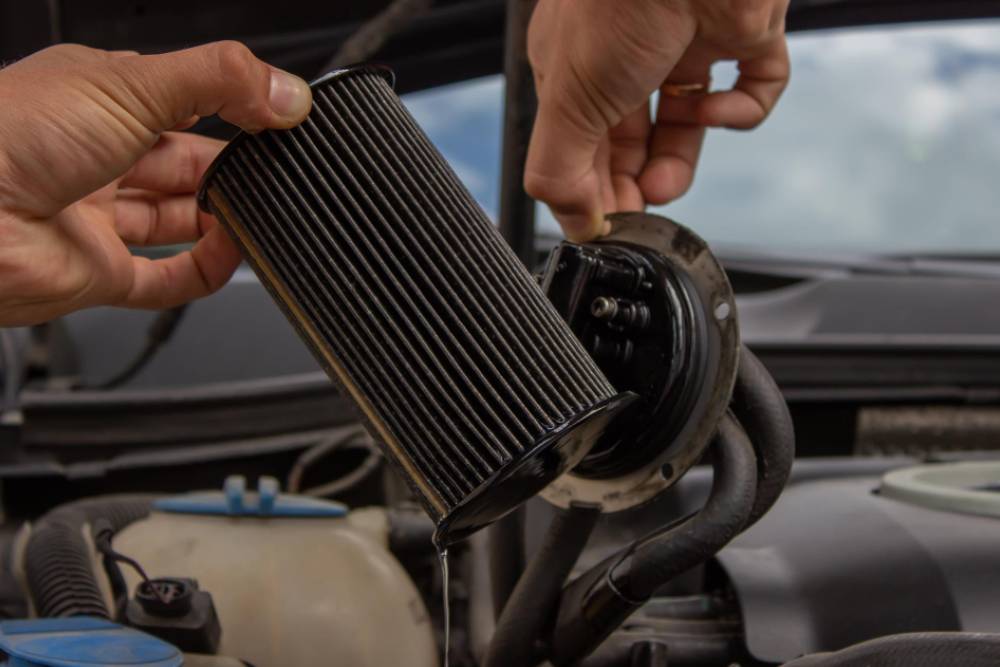
The cabin air filter is the most neglected component in the entire HVAC system. It sits behind the glove box on most vehicles and filters the air before it passes through the evaporator and into the cabin.
When the filter clogs with dust, pollen, leaves, and debris, it restricts airflow. The blower motor has to work harder, the evaporator cannot transfer heat efficiently, and the system delivers less cold air. In severe cases, a clogged filter can cause the evaporator to freeze up.
Replace the cabin air filter every 12,000 to 15,000 miles or at least once a year. If you drive on dusty roads or in heavy pollen areas, check it more often. Replacement takes about five minutes and the filters cost between $10 and $25 at most auto parts stores.
3. Keep the Condenser Clean and Clear
The condenser is the component that looks like a second radiator mounted in front of your actual radiator. Its job is to release heat from the refrigerant, and it can only do that effectively if air can flow through it freely.
Over time, the condenser collects bugs, leaves, road grime, and debris between its fins. This buildup acts as insulation, trapping heat and forcing the system to work harder.
How to clean it:
- Open the hood and visually inspect the front of the condenser
- Remove any large debris like leaves or plastic bags by hand
- Use a garden hose with moderate pressure to rinse the condenser from the engine side (back to front)
- Never use a pressure washer, as the high pressure will bend the delicate aluminum fins
If the fins are bent, a condenser fin comb, available at any auto parts store for a few dollars, can straighten them and restore airflow.
4. Park in the Shade When Possible
This tip is about reducing the workload on your AC system rather than maintaining it directly, but it makes a real difference.
A car parked in direct sunlight on a hot day can reach interior temperatures well above 150 degrees Fahrenheit. When you start the car and turn on the AC, the system has to work at maximum capacity to bring the temperature down, which puts significant stress on the compressor, belt, and electrical components.
Parking in the shade, using a windshield sunshade, or cracking the windows slightly (when safe to do so) reduces the initial heat load and lets the AC reach a comfortable temperature faster with less effort.
5. Use the Recirculation Mode Strategically
Most vehicles have a recirculation button that switches between pulling in outside air and recirculating the air already inside the cabin.
When trying to cool the car quickly on a hot day, use recirculation mode after the initial minute or two. Recirculating already-cooled cabin air is far more efficient than continuously trying to cool hot outside air. This reduces the workload on the compressor and cools the cabin faster.
However, do not run recirculation mode for extended periods in humid conditions without occasionally switching to fresh air. Recirculated air builds up humidity over time, which can cause the windows to fog.
6. Listen for Unusual Noises
Your ears are one of the best diagnostic tools you have. Get in the habit of paying attention to what your AC sounds like when it is working normally so you can catch changes early.
Sounds to listen for:
- Squealing or screeching when the AC engages could indicate a worn or loose serpentine belt or a failing compressor clutch bearing
- Grinding or rattling from the compressor area may mean internal compressor damage is beginning
- Clicking that cycles on and off rapidly (every few seconds) suggests the compressor is short cycling, usually due to low refrigerant
- Hissing from under the dash after the engine is turned off is often normal (refrigerant equalizing pressure), but loud or prolonged hissing could indicate a leak
Catching a noise early and addressing it can be the difference between a $50 belt replacement and a $500 or more compressor replacement.
7. Inspect the Serpentine Belt
The serpentine belt drives the AC compressor on most vehicles. A worn, cracked, or loose belt cannot spin the compressor efficiently, which reduces cooling performance before eventually failing completely.
What to look for:
- Cracks along the ribbed side of the belt
- Fraying or chunks missing from the edges
- A glazed, shiny surface on the ribbed side (indicates slipping)
- Excessive looseness or play
Most serpentine belts last 60,000 to 100,000 miles, but heat, oil contamination, and misaligned pulleys can shorten their lifespan. Replacing a serpentine belt is a straightforward DIY job on most vehicles and costs $20 to $50 for the part.
8. Check for Refrigerant Leaks Visually
You do not need expensive equipment to spot many AC leaks. Refrigerant oil circulates with the refrigerant, so when the system leaks, you often see oily residue at the leak point.
Where to look:
- Around the AC compressor body, especially near the shaft seal at the front
- At every hose and line connection point (look for oily fittings)
- On the condenser surface (look for oily spots that suggest a pinhole leak from road debris impact)
- Around the receiver drier or accumulator
- Near the service port caps (the Schrader valves underneath can leak)
If you spot oily residue, clean the area, run the AC for a while, and check again. Fresh oil at the same spot confirms an active leak.
For leaks that are too small to see, UV dye kits are available at auto parts stores. You add the dye to the system through the low-pressure service port, run the AC, and then use a UV flashlight to look for the bright green or yellow glow of the dye at the leak location.
9. Do Not Ignore a Musty Smell
If your AC blows air that smells musty, moldy, or like dirty socks, bacteria and mold are growing on the evaporator. This happens because the evaporator is constantly wet from condensation, and in warm, humid climates, it becomes an ideal breeding ground for microorganisms.
How to address it:
- Replace the cabin air filter first, as a dirty filter contributes to the problem
- Spray an AC evaporator cleaner (available at auto parts stores) into the fresh air intake at the base of the windshield with the fan on high and the AC off. Follow the product instructions
- Run the fan on high without AC for a few minutes at the end of each drive to dry out the evaporator before shutting off the engine. This is particularly effective in humid climates
- Check the condensate drain. The evaporator housing has a drain tube that allows water to drip out under the vehicle. If this tube is clogged, water pools in the housing and promotes mold growth. You can often clear it by gently poking a thin wire or pipe cleaner into the drain opening under the vehicle
In Miami and other humid climates, the musty smell issue is extremely common. Running the fan without AC for the last two minutes of your drive is a simple habit that makes a big difference.
10. Get a Professional AC Inspection Annually
While there is plenty you can do yourself, a professional AC inspection once a year catches things you cannot easily check at home. A qualified technician can:
- Measure high-side and low-side pressures to verify proper refrigerant charge
- Perform a leak test with professional-grade detection equipment
- Check compressor clutch gap and electrical function
- Measure vent temperature under controlled conditions
- Inspect components that are difficult to access, like the evaporator
- Identify worn components before they fail catastrophically
An annual AC check typically costs between $50 and $100 and can save you hundreds or thousands by catching problems early.
Bonus Tip: Do Not Top Off Refrigerant Without Finding the Leak
It is tempting to grab a can of refrigerant from the auto parts store and top off the system when the AC is not blowing cold. And while that might restore cold air temporarily, it does not fix anything.
If the system is low on refrigerant, there is a leak. Adding more refrigerant without repairing the leak is like adding air to a tire with a nail in it. You will be recharging again in a few weeks, spending more money each time, and the leak may be getting worse.
Invest in finding and fixing the leak first. Then recharge the system properly. It costs more upfront but saves money in the long run.
Frequently Asked Questions
Run the AC for at least 10 minutes once a week, year-round. This keeps compressor seals lubricated with oil and prevents them from drying out and cracking. In winter, you can achieve the same effect by using the defroster, which engages the AC compressor on most vehicles.
Running the AC regularly and replacing the cabin air filter on schedule are the two highest-impact DIY tasks. Running the system prevents seal failure, while a clean cabin filter ensures proper airflow through the evaporator. Neglecting either accelerates wear on expensive components.
Replace the cabin air filter first. Then spray an evaporator cleaner into the fresh air intake with the fan on high and AC off. Finally, run the fan without AC for the last two minutes of each drive to dry out the evaporator. A clogged condensate drain tube can also cause musty odors by allowing water to pool in the evaporator housing.
Yes. Open the hood and rinse the condenser with a garden hose at moderate pressure, spraying from the engine side outward. Never use a pressure washer — the high pressure bends the delicate aluminum fins. Remove large debris by hand first. Straighten bent fins with an inexpensive fin comb from any auto parts store.
Look for oily residue around the compressor, hose fittings, condenser, and service port caps. Refrigerant oil travels with the refrigerant and leaves visible traces at leak points. For small leaks, a UV dye kit lets you add fluorescent dye to the system, then use a UV flashlight to locate the glow at the leak site.
This typically points to a clogged or bent condenser that cannot reject heat at low airflow (idle), low refrigerant charge, or an electric cooling fan that is not functioning. At highway speed, airflow is sufficient to compensate. Have the condenser cleaned, the refrigerant charge verified, and the cooling fans tested.
A cabin air filter costs $10–$25. A serpentine belt runs $20–$50. A UV dye leak detection kit is $15–$30. An evaporator cleaner spray is under $15. Performing these items yourself annually can prevent compressor failures that cost $700–$1,500 to repair at a shop.
Keep Your AC Running Strong
Consistent, simple maintenance is the key to a reliable AC system. None of these tips require special training or expensive equipment, but together they can add years of trouble-free operation to your car’s air conditioning.
When the time does come for a replacement compressor, condenser, or other AC component, R & Y A/C Compressors has been the trusted source for auto AC parts since 1989. Every remanufactured compressor is built and tested at our facility in Miami, FL and ships with the correct oil pre-installed. Enter your year, make, and model at rycompressors.com, or reach out to our team with any questions.